Episode Transcript
[00:00:01] Speaker A: You're listening to the Doc Lounge Podcast. This is a place for candid conversations with the healthcare industry's top physicians, executives and thought leaders.
This podcast is made possible by Pacific Companies, your trusted advisor in physician recruitment.
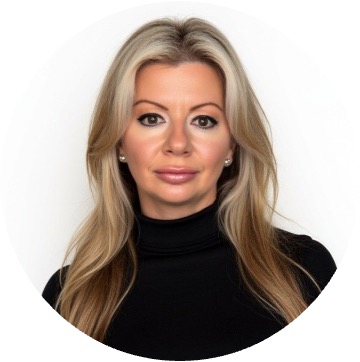
[00:00:20] Speaker B: Welcome back to the Doc Lounge Podcast. I'm your host, Stacey Doyle, Senior Director of Marketing at Pacific Companies.
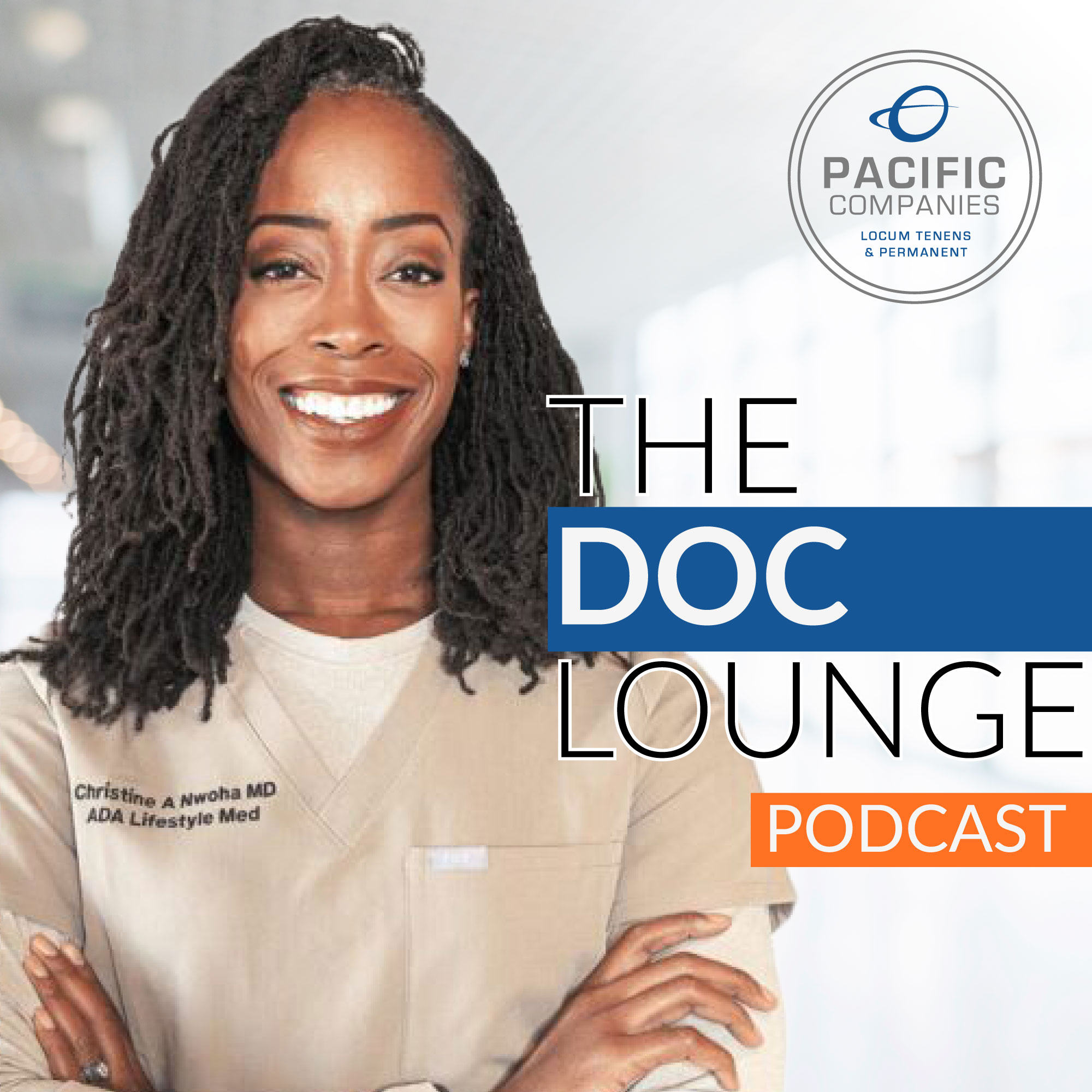
And today we're joined by Dr. Christine Woha, a board certified internist, hospitalist, and a leading voice in the movement towards disease reversal through lifestyle and intentional wellness. Based in Houston, Texas, Dr. Woha brings over a decade of clinical experience treating complex conditions including diabetes, hypertension, and pancreatitis. She earned her medical degree from the University of Missouri Kansas City School of Medicine and has spent her career caring for patients on the front lines of acute care.
But what makes her perspective especially powerful is what she's doing beyond the hospital.
With over 300,000 followers on TikTok, Dr. Moha has built a platform focused on helping people understand how nutrition habits and daily choices can not only prevent, but in many cases, reverse chronic disease. She's also the author of Reverse Weight Gain Naturally, where she shares practical, actionable strategies to help patients take control of their health in a sustainable way.
Today, we're diving into her journey from traditional hospital medicine to health coaching how she balances treating illness while also promoting prevention and what physicians need to understand about the growing demand for lifestyle driven care. We're so honored and excited to have you on the podcast today. Welcome, Dr. Ngoha.
[00:01:41] Speaker A: Thank you for having me.
[00:01:44] Speaker B: It's a pleasure. It's a pleasure. And you know, we have a lot of our listeners that are also fellow clinicians or the residents. Tell us a little bit about how you originally picked your specialty and went into, you know, internal medicine.
[00:02:00] Speaker A: Yeah. So I love speaking with people, talking with people, figuring out what's going on and trying to fix it. So I knew earlier on that I really want to spend time at the bedside. I definitely didn't want to go into surgery, didn't want to be OBGYN or deal with babies or anything like that. Although I love babies, I have four of them.
But I just love that complex adult interaction.
And it just is my passion. I was coming home from work last night at 9pm After a full day in the hospital, and I had this smile on my face from ear to ear. You know how you talk to yourself, like, why are you smiling? Smiling like a big goofball.
And I said, because I love what I do.
I really do love what I do. Like every day I go into work and. And it's never the patients that make me upset or fatigued.
It could be other nuances, administration, all of that. But the patients bring me so much joy.
And so I definitely feel like I chose the right path.
[00:03:04] Speaker B: Well, that's amazing to hear. And it's like that fulfilling feeling when you're like, oh my gosh, I'm doing what I love and what I was meant to do. I mean, did you know from when you were little that you wanted to get into medicine? Or when did you feel like, hey, this might be the right path for me?
[00:03:20] Speaker A: Yeah. My mother was a nurse. I watched my mother go from a cna, like a tech, to lvn, to an RN to a bsn. And that's every stage of nursing that she was studying for. And I would take her books and look at all the pathology and look at all the pictures, and that's when I knew I wanted to go into health care. It wasn't until much later that I decided that I wanted to be a doctor.
And it went from there.
[00:03:50] Speaker B: Amazing, Amazing. Okay, so tell us a little bit about your experience as a hospitalist in particular. And really, I know that that's shaped a lot about how you're thinking about healthcare today. So tell us about that.
[00:04:06] Speaker A: Yeah, so a lot of times people ask me, what is a hospitalist? It's a fairly new field, so not a lot of people are clear on exactly what we do. Hospitalists are the hospital doctors. We are the doctor that when you go into an emergency room, most people know what the emergency room is. You go into the emergency room with whatever ailment, if you're sick enough to stay. That's where I take over. So that's when you get admitted. People who have strokes, severely high blood pressure, heart attacks, you know, let's say they get an amputee, they need an amputation, they have a very severe infection.
I became the. I become the main doctor that takes care of them from that point. So as you can imagine, I see a lot of really sick patients. They're too sick for the clinic, not sick enough for the icu, but somewhere in between where we're trying to keep them stable, keep them alive, and get them back home.
Therefore, I do see a lot of disease conditions in their more severe states. When I see a patient with high blood pressure, they pressures are usually in the 180s, sometimes two hundreds. If I see a patient with diabetes, their blood sugars may be in the 500s. So I'm seeing like, the breakdown of disease. I'm seeing patients who've had diabetes or high blood pressure for multiple years, and now they're starting to deal with the effects. They're having kidney issues. They're on dialysis. They're, you know, needing amputations.
So I get the more grim picture of it. And it's what I do day to day. I've become very efficient and pretty good at what I do. But also, it's also led me to send out that warning as someone at the end of a lot of these chronic diseases, to encourage people to turn it around before they get there.
[00:05:51] Speaker B: Well, that's exactly what I was curious about. I'm sure all of that has shaped your outlook. And I think I know that you are really an advocate for, you know, looking at maybe health coaching, focusing on different ways of reversing, you know, a disease or preventing a disease versus just treating it, you know, like disease management.
So tell, you know, what, what are your thoughts there? Obviously, it's based off of these experiences where you're seeing patients that have, you know, that have a disease that's further, further along and progressed. Yeah.
[00:06:23] Speaker A: So things are changing.
I remember when I was younger, I was actually in medical school when I was first diagnosed with high blood pressure.
And they put me on a medication. And I remember going into class like, I am a patient.
I am a patient. And I was so scared. And while everyone was learning about high blood pressure, I'm learning about how do I reverse everything to get me off this medication. And guess what? I was successful.
I was no longer hypertensive. I stopped the medication. My blood pressures were fine. Everything that caused high blood pressure that I learned about in class, I just figured I would reverse that and somehow come off my medication. And it worked. So that's when the first bell went off.
Then as my career went on, I'm taking care of patients in the hospital.
There is almost this degree of separation between yourself in your patient. Well, there has to be, because you don't want to become too enmeshed in it. You want to remain professional and be able to deliver your duty the best way possible.
But all of that came down when my father was hospitalized. That's when it hit me that my father could now be a patient. And I started to see the unravelings of the end in him.
And I thought, again, we've got to reverse this. Like Daddy. You can't be in the hospital. Like, you can't. If you keep down this line, that's going to be the beginning of the end, he said. I remember my dad told me, well, you can't reverse diabetes. Once you have diabetes, that's it.
I said, no, I don't think so.
My dad went from a hemoglobin A1C of 13 to 7. He went from having to inject himself with insulin multiple times a day to not needing anything to his doctor saying, what did you do? Right. And this was many years ago, and since then I'd been kind of preaching and going around spreading the word.
All that to say that this is now widely accepted. It's a widely accepted notion.
Our healthcare system is so overwhelmed with chronic disease that there are a few of these chronic diseases that we need to take off the table. I feel like certain conditions, like high blood pressure, diabetes, if you can reverse or control or even come out of these conditions, you allow yourself to live a more optimized life and then possibly deal with other issues down the line that have nothing to do with these conditions.
When you have diabetes and these high blood sugars and you're predisposing yourself to all these other conditions, they could be reversible and you not even have to deal with it in the first place.
[00:09:05] Speaker B: I think that's such a profound message that needs to get out there more and more. I love that you're leading this and in being a big voice and advocate for this. So tell us, like, if you're listening right now and you're a patient or you're a provider, that's, you know, obviously dealing with patients a lot. If somebody, you know with a condition like diabetes or hypertension, where do you realistically start with them when you're, you know, when you're working with a patient?
[00:09:32] Speaker A: Yeah. So we look at our lifestyle. Well, first we have to look at our motives. Right.
Do you really think that this can be done? So you ask a patient or a client, do you really think that you could reverse your high blood pressure? Do you really think you could reverse your diabetes? Do you want to? If they say yes, I believe so. I want to do it. I want to commit to it. That's the first step. Right. Then we look into what possibly caused it. For each patient.
It could be different things. A lot of times we like to say, oh, genetics, genetics. But now it's coming down to, you know, about less than 20%, or sometimes they say 5 to 10% is actually genetic. So you may be predisposed to something, but that's not the end all be all right.
We look at genetic factors, of course. Then we look at lifestyle factors. You know, what kind of things are you doing?
We Bring in different pillars or flows of life. How is your sleep, how's your nutrition, how's your movement?
How is your stress, like your socialization? What kind of things are you using to cope? Are you relying on alcohol or drugs, tobacco, food? So we look into these different aspects and see what we can fine tune to reverse some of this. Because when we look at conditions like diabetes and high blood pressure, we start to learn that a lot of these chronic diseases are based on lifestyle. In fact, I say that when your blood pressure is high or when your blood sugars are high, that's, that's like an alarm going off in a building. Are you going to ignore it? Are you going to, you put, you take medications, you kind of put the earmuffs on, but the alarm is still going on. You know, and I have patients that they start off on one blood pressure medication and then it's another one and then another one because that alarm is still going off.
So the first step is committing yourself to change, and the second step is finding out what to change.
Now, of course, it's good to work with a physician on this because sometimes they could see that there are other areas that may or may not be modifiable. Right. Like if your blood pressure is caused by sleep apnea.
Well, there's only so much you can do before you have to address the sleep apnea and the snoring at night. If your high blood pressure is due to a thyroid problem, well, yes, your lifestyle can ameliorate things, but there's only so far you can go until you have to address that thyroid hormone deficiency or, you know, issue.
So working with a doctor can help you with that. But those are the first three steps. I would usually take
[00:12:09] Speaker B: great practical advice. Now tell us what are like the first one or two changes that you tend to see that creates the biggest impact for patients that you're working with.
[00:12:21] Speaker A: The biggest impact, and I just got off the call with a client this morning, is usually sleep and stress. You know, a lot of times when I meet with clients, they're thinking this is going to be this huge effort where they're going to have to make so many changes. And they have their pens and pads ready and then we delve into what their sleep looks like. And then you hear things like, oh, you know, I'm going to sleep at around midnight or 2am and I'm waking up at 7, I'm waking up multiple times a night, or, you know, how are you dealing with stress every day? Oh, well, you know, I might go have A drink or I might go out with my friends, you know, And I'm like, well, that's socialization and it's good to socialize, but how are you really dealing with stress? And a lot of times I find that in our society we're all grinding, we're all working, we're prioritizing, being productive, but no one is really taking care of themselves and realizing that sleep is this magical moment at night that restores your body. And there's so many hormonal changes that need to happen during that time. And if we're robbing ourselves of sleep, well, that's where we need to start.
So sleep and stress are some of the biggest issues that I have seen in my practice.
[00:13:35] Speaker B: I think that's a great place for most people to start. And like you're saying, a lot of times that's overlooked because it's just like you think, okay, sleep is just natural, but there's lots of things can interfere with that and ways to optimize around that. What's a quick tip that you share with your, your patients or followers on Tik Tok about sleep and, and, and sleep? You know, maybe a sleep pack.
[00:14:00] Speaker A: Yeah, sleep hygiene. You know, I, I always say if you can train a baby to sleep, you can train your mind to sleep. You know, a lot of times we give up on sleep, but the reality is our body, we'll say, oh, well, my body's used to having little sleep. And I'm like, I don't know if your body's used to it, because if your body were truly used to it, you wouldn't be having all these signs of maladaptation. Right? Your mind might be used to it.
Your mind is when it gets in the bed, you have trained your mind to think, what can I do? What can I do?
[00:14:31] Speaker B: What can I do?
[00:14:32] Speaker A: I'm laying down, maybe I'll scroll on my phone or I'll watch a little TV or I'll take some notes, or I'll keep my mind busy until I'm completely zonked out.
If we keep with that, of course our sleep is going to be in shambles.
So that's where sleep regimen comes in. That's where having a sleep routine saying, okay, I turn off all electronics at 9pm, I have a warm bath, you know, an hour before, I can try some supplements, some teas that may be more calming. I just go into this structured routine every night that prepares my body and my mind for what I'm about to partake in. And I make My bed a sacred place.
I make my bed a place that only sleep happens. And I train my brain that this bed is associated with sleep. So much so that if I'm at home and I'm running through some errands and I look at my bed, I yawn.
And that's the kind of thing I want to build into people. I want to change their whole mindset about their bed. Their bed is a place of sleep. It's a sacred place of rest. Not a place where you get the last minute things done or things out
[00:15:41] Speaker B: of the way that, well, I think that's great. And I think if people just like you're saying, if you start implementing those small little things, then you kind of build, like you said, a whole new regime and a whole new routine, which is, which is great. Now I know you're also an author of, you know, book Reverse Weight Gain Naturally.
I'm sure you've, you know, you've, from all of your patients and all of your research and all of your setting have found some thoughts and trends around that. So what are you thinking? That most people are getting wrong about weight loss and metabolic health?
[00:16:18] Speaker A: Yeah. So the biggest thing, when I got my obesity medicine certification years ago and I was studying for it and going to all these certification classes and all of that, the biggest eye opening thing that I found was that obesity is not a willpower thing.
Weight gain is not a willpower thing. And I think our society makes us think that there are so many confounding factors that go into weight gain that can be beyond your control. If you don't know they're there, then you're losing, you're already losing a battle. It's like a losing battle to start with. Right.
So a lot of my overweight patients are people trying to lose weight. One, it's like take out yourself and the self blame and the, you know, the feeling like, okay, I can't do this. Woe is me, this is all my fault. Take that out of it. And let's really get to the nitty gritty of what's causing you weight gain.
There's so many different factors. It could be hormonal. Right.
A lot of times if you have poor sleep, you have hormones that are going up and down that is going to be very hard to, you know, get over. Ghrelin when it's, there's a hormone called ghrelin when you are fatigued and have had poor sleep that's going to want you to eat a burger and fries. They don't Want those fast foods, those fatty foods.
Regardless of how well your diet is planned out, sometimes when you're losing weight, you're on, like, a caloric plan and you're doing movement. You can hit a plateau where your body has adjusted.
You may hit a point where your body becomes resistant to weight loss. Need to switch things up. I find that sometimes patients or clients, let's say you've lost £20 and you say, you know what? I'm not losing any more weight. What am I doing?
And some coaches may say, okay, well, it's got to be something that you're eating. Let's. Let's find what you're eating that's making you not lose weight. But what they fail to recognize is that that person that 20 pounds ago used to sing in the shower and dance and tap their feet and, you know, and drum their, you know, fingers when they were happy is now like this.
And those little things are like 200 calories, you know, throughout the day, you know, those little dances that they do, those are burning calories. And as you start to hit this place plateau, your body wants to conserve energy. It's like, hey, we're losing too much weight. You know, things are changing too much. Why don't we pump the brakes a little bit and change some things around to keep you from being in this caloric deficit? So feeling like it's your fault or feeling like you have to now further decrease your calories is not going to help. You just might need to change things up a bit. Change the exercise routine, change your resistance.
There are just so many little factors that go into weight gain that are not addressed at all in the community, and it leads people feeling frustrated to give up early and to feel like, okay, well, this is just all my fault. When you don't address some of the hormones that are at play, and that's why some of these medications work, right? So you have, like, the GLPs that come in and they're like this phenomenon. People are losing so much weight. But if I told you that GLP was a natural hormone that you made yourself and your body is just using it as an agonist, this medication is just an agonist for the GLP that's naturally produced. You'd be like, wait, what?
So how can I stimulate my own glp?
And these are some of the things that I go over in my. On my platform and in my book is how do you have these hacks to lose weight? And how do you take in consideration the multiple factors of weight gain to your Advantage.
[00:20:19] Speaker B: Well, those sound like practical tips that we all and, and hacks that we want to know. So yeah, I'm, I'm can't wait to, to read your book. And then also I, you know, I know you're on Tick Tock and love following you there. So yeah, great for our audience to also follow you and get some of those, those tips and tricks and ways to naturally, you know, get our GLP hormone working. So tell us, I know you have a lot of followers on TikTok. What is resonating with people the most right now? Like what, what are people gravitating to that they want to hear from you
[00:20:52] Speaker A: as the expert on High blood pressure.
High blood pressure. And I say, you know, high blood pressure is so easy.
It's really easy. Reverse. It's, it's one of those things where a few changes, you have people who were on medications that suddenly come off of them. You know, they go from, you know, having readings in the 160s to 140s to 120s literally within a week or so.
And I feel like people feel so empowered when they understand this because they're going back and forth to the and, and I want to be clear, like as a, a physician myself, it's not like our providers don't know this. We were trained this way. But I think sometimes there's this breach in trust and sometimes physicians don't have enough time to build that trust and to counsel on certain lifestyle changes. You know, when you're trying to see 30 patients in a day, you're given a 15 minute slot, you don't have the time to really delve into this.
So you have patients for the first time who are figuring out that I don't have to be on five different medications.
I can just change my lifestyle a little bit. And it's that easy. Like I started going to sleep at 9pm and I started adding more potassium to my diet and wait, what?
And I think that's where you get the biggest drivers. You have people coming back, telling their stories.
People are who are hooked because they're just so excited about real change that's happening real time.
[00:22:28] Speaker B: Well, I mean, when you see the results and when you see that in the numbers, I can see how that be very empowering and very rewarding for. Yeah. For your followers and patients. And it kind of brings me to my next question for you because I know you are obviously you're really busy with clinical care, you know, as a hospitalist. But then you're also balancing it with being A health coach talking about prevention and what they can do to optimize their health. So do you think this hybrid model is going to become more popular and how do you see yourself as a physician moving forward?
[00:23:07] Speaker A: I think so.
I think as physicians we are going to have to make this adjustment at some point and build that trust with our patients more. I think this is what our patients want from us. They need from us. They need us to be that authority in health.
I think with the way things are set up in our healthcare system, it's becoming more of this fee based.
We're just trying to survive. That's just the way the system is set up. But I think at some point as physicians, I don't know how it's going to happen.
I think everyone has their journey that they're going to have to figure out how to make it work. But I think that's where medicine is going. I think it will be beneficial for all parties involved for the doctors to get back to doing what they love to do, which is counseling and motivating and teaching and healing people and patients. To go back to getting that interaction and that deep connection with the person that's treating them. It has to get back there.
[00:24:19] Speaker B: Get back to basics, I guess. Yeah. The reason that you originally started practicing. So I love that. Now, Dr. Noah, tell us a little bit now, how can people work with you or learn more about you and your book? Tell us a little bit more about that.
[00:24:38] Speaker A: Yeah. So I'm on TikTok, I'm on Instagram, I'm working on YouTube because I have a lot of people who want more in depth talks and explanatory talks which I'm working on.
And then I also have three books out that are about reversing diseases.
Those are on Amazon. I made each of those books to be very easy reads.
I am an avid book reader. I read books all day long. I have a personal library with like 4 to 500 books. Most of them are unread.
So I know what it's like to collect a book with, well, intentions and it sit on a shelf because you just don't have the time to get through the flowery language in the book. But my books are easy to read. They get to the point and they get there fast. And I want readers to be able to take something every time they open up each one of my books. So they're very conversational toned.
Yeah. And then I also, if you go to my website, I take consultations as well.
[00:25:36] Speaker B: Amazing, Amazing. What is your website? So everyone Listening can, can get there.
[00:25:42] Speaker A: It's ADL ADAWellMed.com ADAWell Med.com we'll link
[00:25:51] Speaker B: that in the podcast summary, but so everyone can follow that and have a quick link there. And then obviously your books and then your TikTok is so much fun. So I'm sure, I'm sure you'll gain lots of new followers and that's just, it's a great way to get, stay up to date and hear all the latest and greatest from you and all those tips and wow, to have those stories of people bringing down their high blood pressure and that quick of an order is really, really, really exciting and I'm sure it's rewarding to you. I mean, it sounds like you definitely selected the right career path when you were saying when you're driving home from the hospital and you had a huge grin on your face.
[00:26:33] Speaker A: Yeah.
And I think sometimes it just balanced it out for me because in the hospital, yes, we discharge patients and that's the best part about being in a hospital because you see patients who come in with severe pneumonia, they're septic, they're very sick at the brink of death, and then you send them home and they're happy and they're walking out. So that healing component, and I think this also helps me to get that fulfillment as well when I see patients say, I don't have to worry about my blood pressures anymore, I don't have to worry about my diabetes anymore. So I want to get them that information in a funny way. I love to laugh.
I love cracking jokes. I love, you know, and so that's what my profile is about. We're going to learn, we're going to motivate each other and we're going to laugh and have fun.
[00:27:20] Speaker B: What's better than laughter? Right?
[00:27:23] Speaker A: Yeah,
[00:27:25] Speaker B: that's right. That's right. Healing. That's. We love it. Okay, well, we. That should be your new tagline. I know you have a lot of good ones, but. Well, thank you so much, Dr. Woha. We really appreciate your time and, and being on the Doc Lounge today.
[00:27:41] Speaker A: Thank you for having me.
Thank you to all of our listeners. If you would like to be notified when new episodes air, make sure to hit that subscribe subscribe button. And a big thank you to Pacific Companies. Without you guys, this podcast would not be possible.
If you would like to be a guest, Please go to www.pacificcompanies.com. thank.
You.