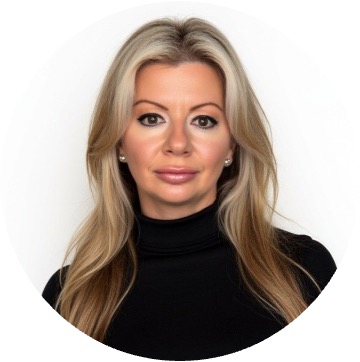
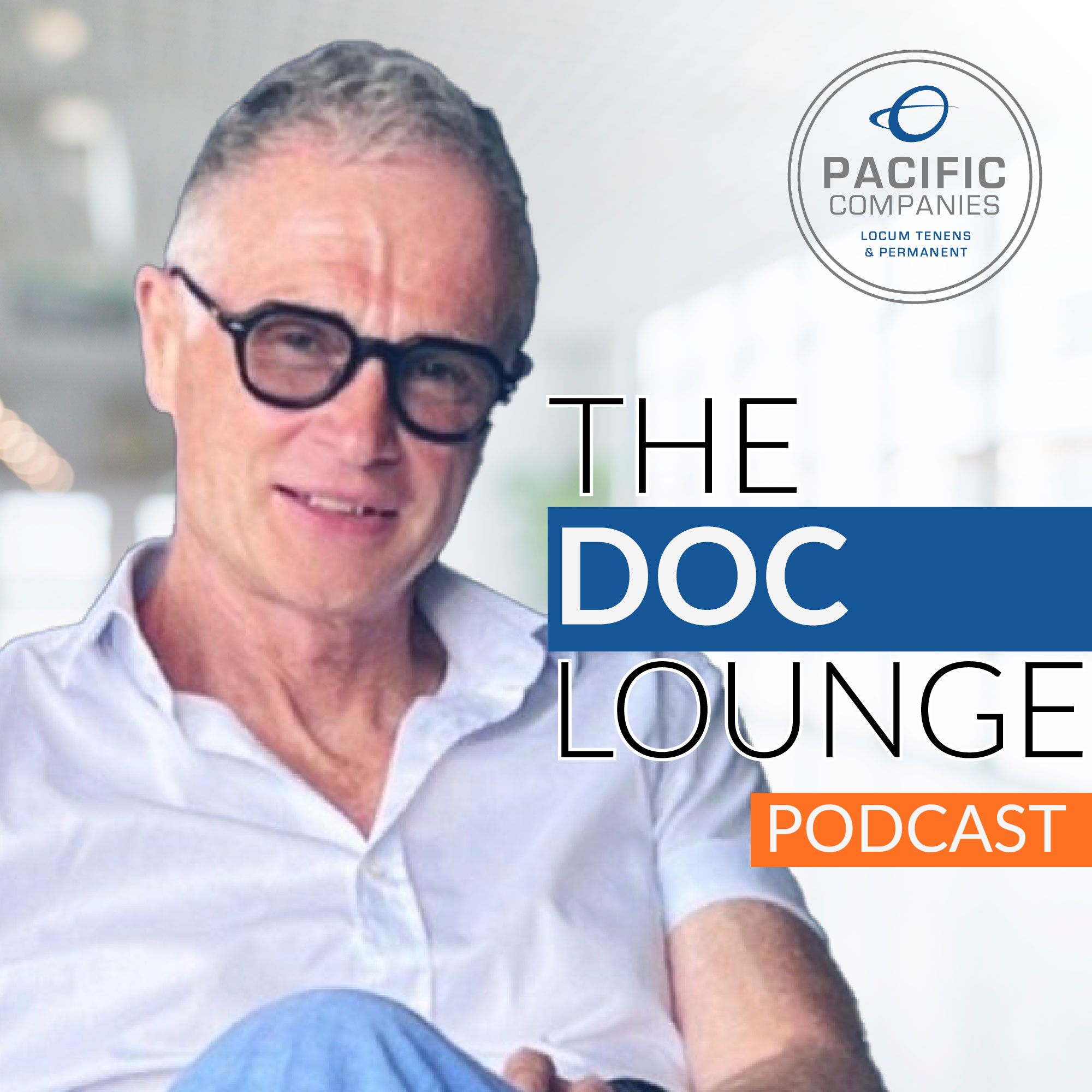
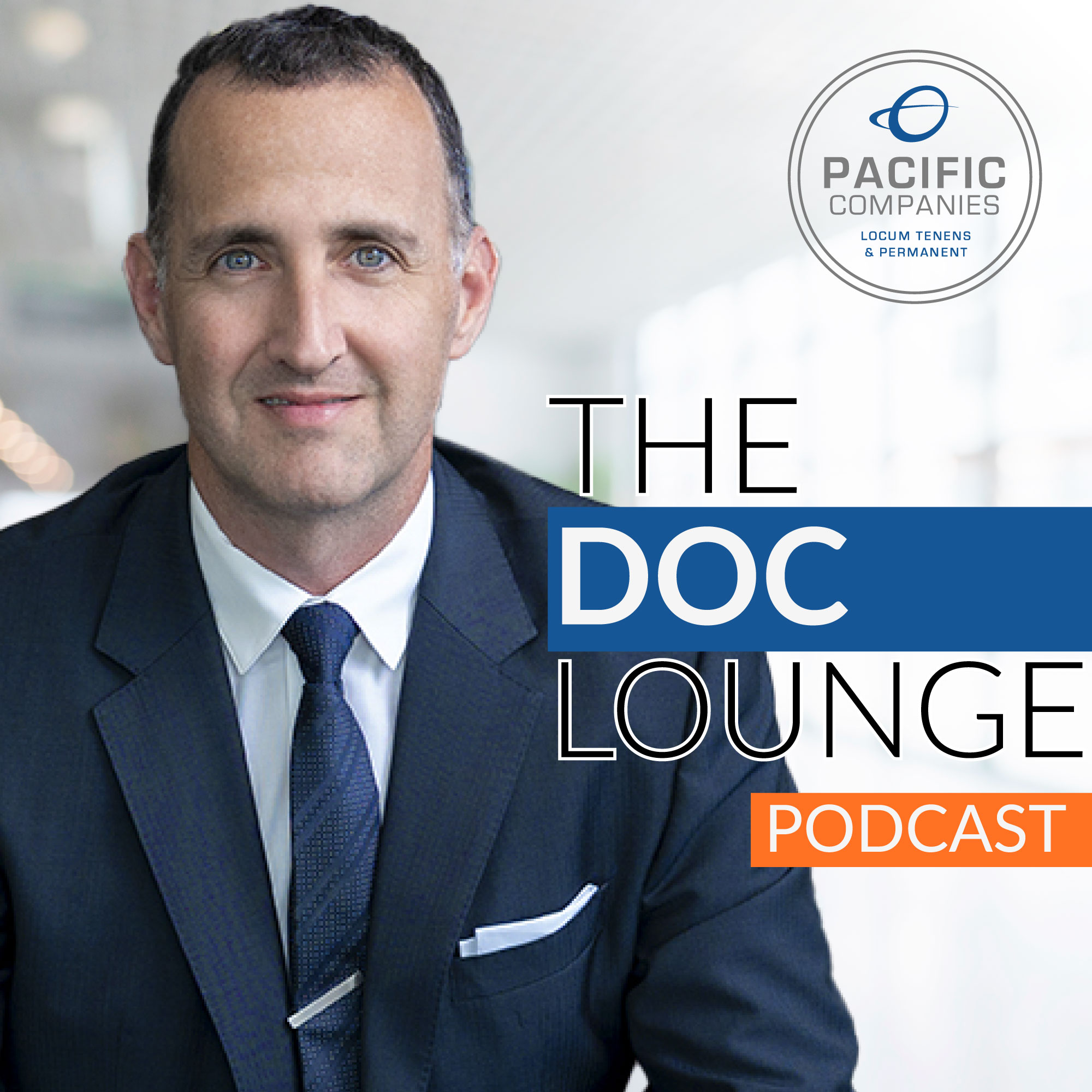
[00:00:01] Speaker A: You're listening to the Doc Lounge Podcast. This is a place for candid conversations with the healthcare industry's top physicians, executives and thought leaders.
This podcast is made possible by Pacific Companies, your trusted advisor in physician recruitment.
[00:00:21] Speaker B: Welcome back. Today on the Doc Lounge, we're diving into the science of peak performance and longevity with one of the leading voices in Men's Health, Dr. Tracy Gapen. Dr. Gapen is a board certified urologist, founder and CEO of the Gapen Institute for Precision Medicine and a true pioneer in the field of medicine health optimization.
With over 25 years of clinical experience, he's helped countless high performing entrepreneurs, executives and athletes transform their health through data driven personalized strategy that blend epigenics, hormone therapy and cutting edge diagnostics. He's also a best selling Author of Male 2.0 and Codes of Longevity, a TEDx speaker and a regular guest on major media outlets including NBC and Entrepreneur magazine. Today we'll explore how Dr. Gapin is redefining what it means to live longer, stronger and sharper. From mastering hormones and energy to leveraging wearable tech for peak performance.
So welcome to The Doc Lounge, Dr. Gapin.
[00:01:20] Speaker C: Oh, thanks so much. Glad to be with you today.
[00:01:22] Speaker B: This is so, this is so exciting. Well, you know that a lot of our audience are obviously physicians. So tell us a little bit. How did you go from obviously a successful career as a board certified urologist to really now you're a leading voice in men's health.
[00:01:37] Speaker C: Oh, thanks so much. Yeah, so I was running a very busy surgical practice. I was doing robotic surgery, treating prostate cancer up at night, doing, you know, doing kidney stone surgery in the hospital, taking call and really grinding.
I had 23 years in practice in the same group here in Central Florida. And about halfway through my career, I really hit a wall. I wake up one day and I'm 30 pounds overweight and I feel like crap and I'm stressed out and I am, I'm not just burned out, I'm just beyond done with my practice. I was miserable, didn't really like who I was and, and you know, they always say surgeons are. Well, I can, I can vouch for it because I would walk in the hospital and I became a different person. Like I didn't even like who I was.
And so I, I went to get my first physical ever. My wife suggested I go see a doc myself because I never, you know how docs were horrible at taking care of ourselves.
And this physical was really an eye opening moment for me when this concierge doc just want to put me On a statin. That was the only answer for me. Just, I just needed a statin and it made me kind of realize I needed help. First of all, I'm 30 pounds overweight, I'm stressed out, I'm not sleeping well, I'm not taking care of myself. And, and here I was as the urologist, men's health expert, but I didn't even know how to take care of myself. And so that got me studying functional medicine and epigenetics, which is simply the science of lifestyle and how it affects genetic expression.
Started studying hormones and, and they never teach you how to actually fix hormones the right way. In medical school.
Started studying nutrition and, and sleep and, and longevity science and, and really how to put all this together and integrate peptides and, and I was able to really turn my health around.
And most importantly, I found my passion and my love for medicine again.
And here I was, ready to leave medicine entirely and find a new career when suddenly I found my passion again, found my purpose of really changing the way we look at men's health specifically and take a very proactive, personalized, precision based approach.
And I built a business around it. And I, I realized I didn't have the, the business education, so I went back to school and studied business and I, I was in masterminds, I took certifications and courses and I learned how to really not just learn the clinical side of this, but how to actually build a business around it as well. And so back in 2019, I made the decision, I'm done with, with urology. I, I can't, I can't stay here anymore when I see what I see.
And I built the App Institute an amazing business around this now and we're doing incredibly well, we're thriving. And now I've transitioned to phase two, which is now I'm teaching other doctors how to make the same transition that I made.
[00:04:25] Speaker B: Well, I love that and I think that's, I'm sure a lot of our listeners can relate to kind of what you're saying about. Obviously there becomes a point where you, they get burnout and then it's like, what can you do next? It sounds though, like really listening and kind of learning about your own health really kind of helps you get things rolling and, and going in the right direction. So I, I want to hear a little bit, I know you've talked about, you know, really you're saying, you know, healthspan equals Wellspan. Tell us a little bit about that, you know, term and that mindset.
[00:04:59] Speaker C: Yeah. So, you know, in My old world, in my old life, I was as a urologist, I was focused on what's the diagnosis code and how do you treat it. Right? And kidney stone, surgery, prostate cancer, you know, surgery, radiation, minimum invasive treatment, diagnosis code equals treatment. And it's either a pharmaceutical, a drug or a surgery for the most part.
What I have since learned is that there's so much more to it than that. And now, you know, I think about cellular efficiency, cellular function, optimizing hormones and, and you know, addressing and overcoming systemic inflammation and addressing cortisol, or I call it system overload, where we have cortisol excess and the damage that it causes. So it's looking more at a, at a deeper, holistic level, if you will, and focusing on all of the underlying issues at hand before they become overt disease, before they become an actual problem and how I've tied it into my clients. I don't have patients, I have clients now because I'm not treating disease, not treating symptoms or diagnoses. I'm treating people.
And so my clients, they are driven, successful leaders, they're founders, they're executives, they're entrepreneurs, they may be athletes, retired athletes. And these leaders want to perform at their peak and they want to have high energy and laser sharp focus and they want to be resilient and be able to overcome injury and recover from workouts. And they want to not just live longer, but live better.
And to do all of that, our traditional healthcare system has absolutely no answers for them.
It requires taking a very different approach. And so that's really the, the healthspan wellspan concept. I work with a lot of wealth advisors as well who have my clients and we work together, recognizing that when leaders are optimized, when their brain's working at a high level, when their body is optimized, they're more productive and efficient and they make more money and generate more revenue and they're more productive. And so it really trickles down and affects every area of their life. And you know, for me, I like to really focus on what's the why? Like for me, me personally, my big why is the ability to be a present and engaged father, to be a dad to my two amazing kids when I get home at the end of a long day to still have the energy and the drive to be able to wrestle on the couch and play with them and go for bike rides and be the dad that I never had when I was a kid. To me, that's my big why. And so it's optimization for a different reason. Than just treating disease or problems like we do in traditional health care.
[00:07:27] Speaker B: Well, I'm excited for you to share some of those tips. Obviously, you know, our audience providers, physicians.
[00:07:35] Speaker B: Nurse practitioners.
So what are some summer. What's some tips that you can share with our audience? Obviously, we want them to be optimizing their, their health span as well.
[00:07:47] Speaker C: So we'll start with diagnostics. So I have a system. It's test design and track and the tail. Go through some of the test phase. I'll go through some of the design, some of the track phase. So the test phase that we talk about, advanced diagnostics. And these are things that they never teach us in medical school, we never did when we were practicing medicine. Things like cardiovascular health. Like we need to be looking at markers like apob. Apob is the single most important marker of lipids and, you know, total cholesterol. Ldl, hdl, don't really tell the full story. So apob, LDL particle count, not LDL C, which is concentration of cholesterol, LDL particle count, lp, little A, which looks like capital L, little P and the little A in parentheses. This is the genetically inherited LDL subtype that is a massive trigger for early cardiovascular disease. Know Bob Harper? He's the, the fitness trainer on the TV show the Biggest Loser. I don't know if you remember in the. It was in the news a few years ago, age 51, had a massive heart attack. That guy's the, the epitome of good health and he gets a heart attack. It's because his LP was elevated. So we're not testing the key markers that we need to be looking at hormones. You need to be looking at free testosterone, not total. You need to be looking at free T3, thyroid, TSH, and T4. Don't tell the whole story. You need to be looking at other, you know, nitric oxide. You could test it with a saliva sample. Very easy to test nitric oxide levels, looking at things like, you know, vitamin D. Most people are deficient in vitamin D, which is actually a hormone. So a lot of hormones to be focused on. DHEA sulfate is another hormone they never talk about in medical school. But it's critical because it balances cortisol, our stress hormone. Measuring cortisol levels is super important. We all tend to have cortisol excess if we're not really intentional about it. That's hormones, micronutrients. Most of us are deficient in magnesium. You may look at homocysteine levels, which are really a marker of methylation and cellular efficiency.
Blood sugar control, not just for diabetics. You're not, you know, they teach us where you're either diabetic or pre diabetic or diabetic or. It's not like that. It's a spectrum of insulin sensitivity. So things like fasting insulin level and hemoglobin A1c is, is a lab that a lot of doctors have typically checked in the past. But we want to really be much more aggressive. We want that under 5.2. You know, in traditional medicine we may accept as high as 5.6. No, you want that much lower. And that's, you know, controlling metabolic health. Blood sugar control directly correlates with longevity and so metabolic health is a big issue.
So those are some of the blood labs. I'm a big believer in diagnostics around gut health, microbiome testing.
They don't teach us this in medical school and training. But the microbiome, it controls the whole body. It controls our immune system, our hormones, metabolism.
Almost everything is in some way controlled by the microbiome. And most doctors don't ever check it. And it's been criticized. But I want to clarify, you know, when we look at the microbiome, we're not looking at one bug at a time and how do you fix one, but we're looking at broad strokes, 30,000 foot view. Do you have a good, broad diversity of healthy microbes in the gut and do you not have an overgrowth of dysbiotic bugs? You have good health, health of your gut wall, gut wall integrity, digestive function, detoxification. So there are key markers of, of gut health that we want to be looking at and incredibly valuable.
VO2 max is a key marker of cardio respiratory fitness level. Everyone should be testing VO2 max. They don't ever teach this stuff in medical school.
So, so important that we all get this for ourselves as well as for our patients.
So I'll stop there and let you ask.
[00:11:02] Speaker B: I, well, no, I think you just gave us so much, so much great advice and, and, and things to focus on. Now tell me, I know you incorporate wearables into your, your business. What, which ones do you recommend or what do you.
[00:11:18] Speaker C: Yeah, so we look at things like sleep quality, for example. So I personally love Aura, specifically just for sleep. I don't, I don't recommend it for HRV or any other metrics really, but for sleep it's great. Specifically you want to be tracking deep sleep and REM sleep. Those are the key stages of sleep that we get. The, really, the restorative benefits of Sleep. And they each provide slightly different, different actual benefits, but they're each important. You want one hour of deep sleep, which happens typically in the first half of the night, two hours of REM sleep, which is typically in the second half of the night. And so the only way you can know that is by tracking it. If you just say, I got seven hours of sleep, it tells you nothing. I've had so many clients who look successful, they're doing great. I sleep seven hours and you look at their data and they get two minutes of deep sleep. And that's when you wake up. You still feel like crap. You're like, I don't feel like I even got any, any rest. So sleep is important. I really am a big believer in tracking blood sugar. And people will criticize. Well, no, that's only for diabetics. It's, it's not. To understand how your body is regulating blood sugar is so important. For example, I have a lot of guys who will wake up and their fasting blood sugar is 105. Well, why, how is that if you haven't even eaten, how is it possible your fasting blood sugar is 105? The answer is cortisol. The answer is stress. You know, we know, we're taught this back in first year of medical school, that, that, that, you know, cortisol produced by the adrenals will raise blood sugar. When you have cortisol excess, that's how it'll show up. The only way you'll know that is to have to track it. And so blood sugar tracking cgm, simple mantra on your arm will help you understand if it's because of stress, is it maybe diet? Maybe you're in the wrong foods. I had a woman who could not lose weight. She had tried everything supposedly, and we found that when she ate sushi, her blood sugar would spike over 200 for three hours at a time.
Big deal. Now, yes, your blood sugar goes up when you eat, but it shouldn't go up that much. It shouldn't go for that long. And so it's, there's the nuance of understanding. How do you look at that data says blood sugar. Talking about sleep, I think that body composition scanning on a regular basis is important. Whether you use an inbody, a dexa, even a home body composition scale you can get for 30 bucks off Amazon tells you lean muscle mass, body fat, body fat, percent visceral fat. These are the key markers that matter much more than just your weight. Weight doesn't really tell the whole story. Again, you want to be Looking at the right metrics. And so that's sleep, that's blood sugar, that's body count. Finally, the last one I'll give you is stress. So all of us are stressed, but we'll all deny to the end of the world. Oh, it doesn't affect me. It affects the next person, not me. I'm able to overcome it. Well, BS So we can actually measure it with a metric called heart rate variability. HRV heart variability is simply the variation in your heartbeat from one beat to the next, and that is a direct surrogate of your nervous system. You know, we're taught early on in our medical school about sympathetic and parasympathetic. Nervous system is the yin and the yang. Well, you want parasympathetic, the calming, rest and digest system to be dominant over the fight or flight sympathetic. And you can measure that balance through heart rate variability. And so you want a high heart rate variability. You want to measure it every morning at rest. So typically 6:00am, wake up, for example, put the chest strap on, it connects to an app on your phone, two and a half minute scan. And now you have your HRV heart rate variability measurement for the day. You can compare it from one day, the next, and actually get a direct measure of the stress of your system and helps you understand what you're doing is working or not.
[00:14:38] Speaker B: Fascinating. Okay, I'm definitely going to start tracking some of these metrics and looking at them more consistently. So I, I appreciate that and I, I think all of our, our audience will be learning things as well and kind of help them optimize the, you know, the care that they're giving and just like you're saying, leading a better, more healthy life. So I know you mentioned in the beginning of the, the podcast a little bit about it's, it's epigenetics. Is that how you, you were saying it? Tell us about that, because I know it's, it's related to the environment and habits that you could actually change.
[00:15:11] Speaker C: So, yeah, epigenetics is simply, it's a fancy word for the science of how our lifestyle, our environment, our behavior affects the way our genes work. Okay, so our genes are the hardware.
Our environment, our lifestyle is the software.
And so what that means is, you know, we get genes, our genetic code, from our parents, half from mom, half from dad. And people have always thought that that defines your outcome, your likelihood of Alzheimer's disease, of heart disease, et cetera. But in fact, we now understand very clearly that our genes help us understand what lifestyle maneuvers can influence them. To a point that we can actually affect that. So let me give you an example. There are genes related to nutrition, so there are genes related to how our body processes intake of fat.
So, for example, apoe, one of the most common genes we talk about here, a good example is the APOE gene. APOE stands for apolipoprotein E. Okay? And you have one copy from mom, one copy from dad, and it can either be a three or a four for the most part. There's a two also, but typically you get, either get a three or a four from mom and three or four from dad. If you have one copy of the four variant, you're at increased risk of developing Alzheimer's disease at a very early age, cardiovascular disease at an early age. If you have two copies, that risk goes up by like almost 14 fold. So massive increased risk if you have two copies of this APOE variant. Okay, well, however, we realize that it's related to your intake of saturated fat.
So if you have this variant of Apoe, your Apoe 3, 4, Apoe 4, 4, and you limit your intake of saturated fat, which is specifically things like red meat, dairy, eggs, butter, ghee, that kind of stuff, if you limit that to under 5% of your daily caloric intake, and instead of eating the saturated fat, focus on the monounsaturated fats and the omega 3 fats and the healthier fats and limit saturated fats, that risk that we're talking about completely goes away and you are basically on par with the general population.
So this is the science of how, understanding genetics. So one of the first things we do when we work with our clients is simple cheek swab. We get like 700,000 genes and we can now understand exactly what to recommend when it comes to nutrition, what to eat, what to not eat, even macronutrient ratios, carbs, proteins and fats. Based on your genetics, we can understand what supplements might be better for you. Maybe you need, you know, there are certain the BCMO gene is really to how your body processes vitamin A, and for some people, they cannot process the alpha, the, the, the beta carotene form of vitamin A. You need the retinoic acid form or else your body can't process it. And so this helps us understand what kind of supplementation your body might need.
There are genetics around how to clear toxins, what, what pharmaceuticals or drugs. Like maybe you're particularly sensitive to acetaminophen, or maybe you're very sensitive to caffeine, or maybe you're more sensitive to salt, or maybe you sleep better if you go to bed earlier versus later. So maybe there's a sleep cycle issue pattern that you can identify from genetics.
All these amazing insights you can get from the genetic panel to help us really guide our clients on very specific recommendations around lifestyle. So it's not just the generic you need to exercise and eat healthy.
[00:18:30] Speaker B: Well, I like that. It sounds like a very data driven and also very scientific approach like you're saying.
So tell us, I mean if somebody is listening today and they want to work with you and your team, walk us through how they can do that, how they can learn about, you know, you and, and, and how they can start that process.
[00:18:48] Speaker C: Thank you so much. Yeah, so Peak Launch Program is our flagship. It's a six month program. You can learn more about
[email protected] that's G A P I N institute.com if you want to jump on a call with my team there, there's a link there to do. So if any doctors are interested in learning on the business front, how do you build a practice like I have? How do you leave traditional medicine? I have doctors in, in almost every specialty, er, medicine, rheumatology, neurology, you name it, who are transitioning out of traditional medicine into a precision medicine practice that they love. And, and so that's peak launchmd.com peaklaunchmd.com and there's a link there. Jump on a call with me personally and I'll kind of walk you through what that looks like as well. So direct a consumer like Peak Launch Program has been where we, we've been for eight, nine years and now we're realizing that working directly with practitioners is how I can really scale my mission as well.
[00:19:41] Speaker B: Love that. Well, great, great ways. And for anyone listening, kind of both paths there, which I think is amazing. So thank you for sharing that and you know, I'd love to wrap up, I mean, what's one habit that you would recommend to our audience that they can just start doing, starting, you know, today to improve, to improve their health?
[00:20:00] Speaker C: I'll tell you great question and I'll leave you with this. One of the most underappreciated aspects of our health is sleep. We tend to neglect sleep for the sake of everything else and it goes in the back burner. But it is the Absolute Most important 8 hours of your day. 78 hours of your day. And so what I recommend is focus on prioritizing sleep. The single most important thing you can do is go to bed at the exact same time every single night, even on the weekends. And that consistency is what your circadian rhythm needs to be successful. And to get the good quality sleep in those last two hours before bed, no blue light, no tablets, no phone, no computers, you can do five things.
[00:20:42] Speaker C: And that's no phone and no food or water either. If you need to sit for pills, that's fine. But five things you can do. Number one, you could read a real book, a paper book, not a Kindle. Number two, you can meditate. Great time to practice mindfulness breathing exercises. Gratitude is such incredibly powerful time to do that. You can journal.
Incredibly effective time to document what you're grateful for, document what you've accomplished for the day, build success and identify what you're going to work on tomorrow. Journaling. Number three. Number four, sauna. People talk about the benefits. Sauna is incredibly powerful for recovery, repair, and it's also great for sleep. So before bedtime's a great time to do sauna. And then finally, sex.
What better time to prepare your mind and body for sleep and sex and intimacy with your partner. And so those last two hours, any of those five things you can do to kind of get your body and mind prepared for sleep. So important to prioritize sleep.
[00:21:32] Speaker B: Love that. Well, those are great tips everyone can start utilizing immediately. So thank you so much, Dr. Gapen. I really, really appreciate your time and it was such an insightful conversation. And we'll share the links with our audience so that they can, you know, follow both of those paths that you talked about.
[00:21:47] Speaker C: You got it. Thanks so much.
[00:21:49] Speaker B: Thank you.
[00:21:50] Speaker A: Thank you to all of our listeners. If you would like to be notified when new episodes air, make sure to hit that subscribe button. And a big thank you to Pacific Companies. Without you guys, this podcast would not be possible.
If you would like to be a guest, Please go to www.pacificcompanies.com. thank.
[00:22:15] Speaker C: You.